QR codes have become the standard bridge connecting physical marketing with digital experiences in India and globally. From restaurant table standees and product packaging to event banners and visiting cards, billions of scans happen every month.
However, thousands of businesses make a catastrophic mistake when launching print campaigns: they print static QR codes instead of dynamic QR codes.
A static QR code permanently locks in the target link. If your website URL changes, a promotion expires, or a typo occurs, thousands of printed brochures, standees, or product boxes become worthless overnight.
Here is everything you need to know about the technical differences, cost savings, and analytics benefits of dynamic QR codes.
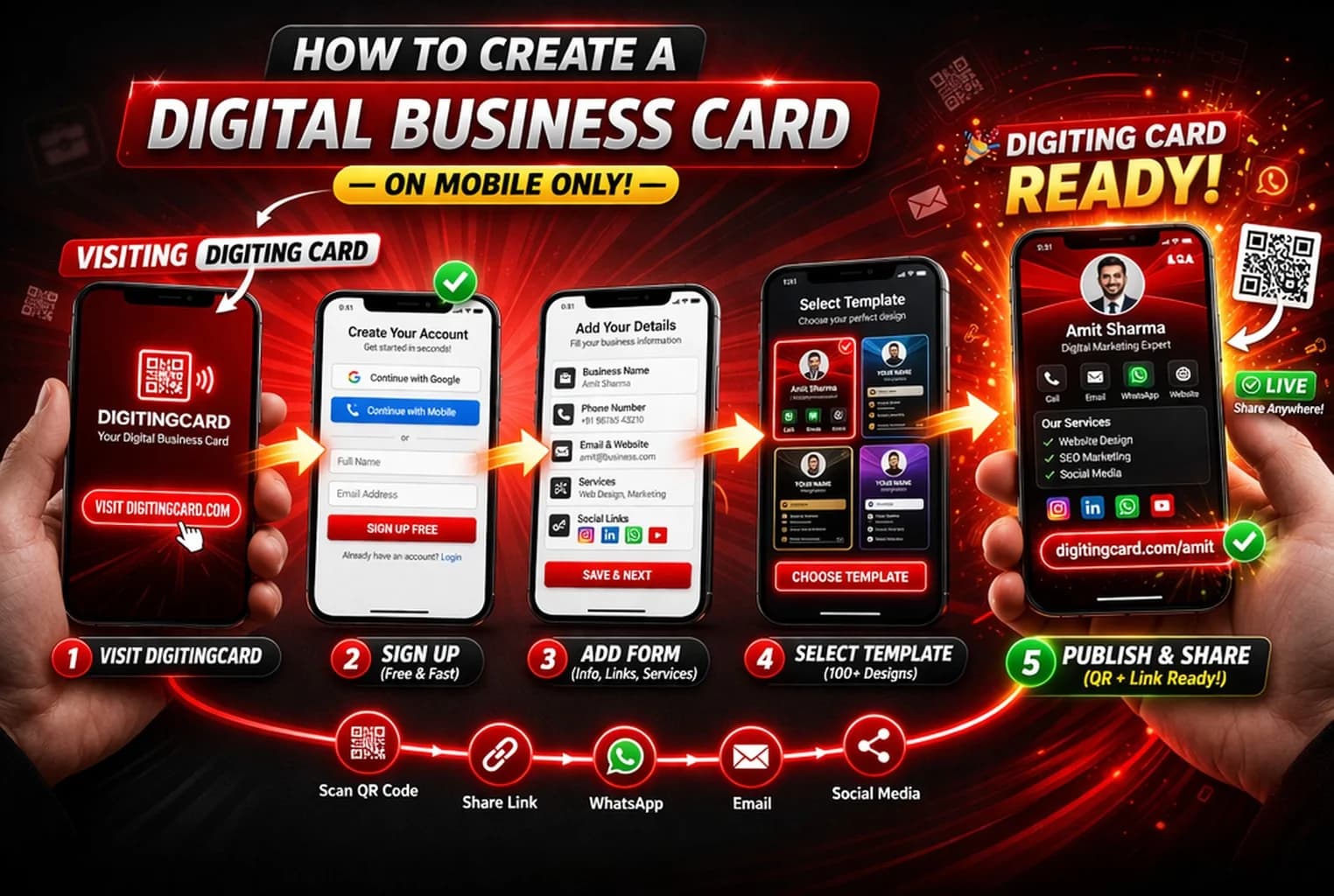
A static QR code encodes your destination URL directly into its pixel matrix, meaning it can never be edited after printing and cannot track scans. A dynamic QR code redirects through an editable short URL, allowing you to change the destination website, menu, or contact link at any time without reprinting, while also tracking total scans, device types, and visitor locations.
Marketers, business owners, and designers looking to understand why dynamic QR codes are superior for print campaigns and searching for a free dynamic QR code generator.
The Technical Reason Why Static Codes Break
To understand why static QR codes fail, you have to understand how QR technology works.
When you create a static QR code pointing to a URL like 'https://mybusiness.com/spring-sale-2026/discount-offer', every single character of that text is converted into black and white square modules (pixels). The longer the URL, the more complex and cluttered the QR code becomes.
Once printed on paper or plastic, those dots are physically fixed. There is no server intermediary. The camera reads the pixels directly and attempts to open that exact URL.
In contrast, a dynamic QR code encodes a short redirect URL (e.g. 'https://digitingcard.com/q/xyz123'). Because the link is short, the QR code has very few dots and scans instantly even in dim lighting. When scanned, our server checks your settings and forwards the visitor to whatever destination URL you specify.
Top Commercial Use Cases for Dynamic QR Codes
Any physical asset that costs money to print should always feature a dynamic QR code:
1. Restaurant & Café Menus: Update daily specials, seasonal prices, and out-of-stock dishes without reprinting acrylic table tents.
2. Product Packaging & Labels: Point the QR code to product user manuals, how-to video guides, or warranty registration pages. When the guide updates, the QR code stays intact.
3. Business Cards & ID Badges: If an employee changes phone numbers, gets promoted, or leaves the company, their digital profile updates instantly.
4. Real Estate Property Standees: Shift the QR code from 'Under Construction Booking' to 'Virtual Video Walkthrough' to 'Sold Out / New Phase' as the project progresses.
How Scan Analytics Improve Your Marketing ROI
Marketing without tracking is guessing. With dynamic QR codes, you gain access to vital marketing intelligence:
Track which print locations drive the most engagement (e.g. newspaper ad vs flyer vs in-store poster), identify peak scanning hours, and determine whether your audience is scanning on iPhone or Android devices.
Static vs Dynamic QR Code Comparison
Side-by-side feature comparison between static and dynamic QR codes for commercial use:
| Feature / Capability | Static QR Code | Dynamic QR Code |
|---|---|---|
| Editable Destination URL | ❌ Impossible: URL is hardcoded into pixels permanently | ✅ Editable anytime from your dashboard without reprinting |
| Scan Analytics & Tracking | ❌ Zero tracking: cannot measure scans, dates, or devices | ✅ Full metrics: track scans over time, device OS, and cities |
| Visual Density & Cleanliness | ⚠️ High density (dense pixels for long links; harder to scan) | ✅ Low density (clean, large pixels; fast scan from any distance) |
| Reprint & Financial Risk | ⚠️ High risk: if destination link breaks, all printed materials are lost | ✅ Zero risk: change landing page destination in 5 seconds |
| Campaign Scheduling & Expiry | ❌ None: remains active pointing to old link forever | ✅ Supported: redirect to new campaign when offer ends |
| Branding & Custom Logo | Limited visual flexibility | ✅ Custom branding with company logo, custom colors & shapes |
Frequently asked questions
Can I change the destination URL of a dynamic QR code after it is printed?
Yes! That is the core advantage of dynamic QR codes. You can log into your Digiting Card dashboard at any time and update the target URL, and everyone who scans your printed code will immediately be sent to the new destination.
Do dynamic QR codes expire?
No. With Digiting Card, your dynamic QR codes remain active without arbitrary expiration dates, making them safe for long-term print packaging and signage.
Can I add our company logo to a dynamic QR code?
Yes! Digiting Card's QR generator allows you to embed your business logo in the center of the code and customize the primary brand colors.
What file format is best for printing QR codes?
For professional printing, always use SVG or high-resolution PNG (at least 2000 × 2000 pixels) to avoid blurry, pixelated edges that cause scanning failures.
Generate Your Dynamic QR Code Free
Create customizable, editable, and trackable dynamic QR codes for your marketing and visiting cards in seconds.